

Signature Bank’s closure on March 12, 2023, has sent shockwaves throughout the financial world. The New York-based commercial bank was shut down by regulators due to systemic risk, making it the second major bank to fail in three days following the closure of Silicon Valley Bank on March 10. Signature Bank was a significant lender in the crypto industry, and its failure has raised concerns about the stability of the banking system.
According to reports, the closure of Signature Bank was an effort to prevent the spreading banking crisis. The Federal Reserve, FDIC, and US Treasury Department cited systemic risk as the reason for the bank’s closure, which caused concern in the crypto industry. The bank had total assets of approximately $110.36 billion and total deposits of about $88.59 billion as of December 31, 2022, making it one of the largest banks to fail in recent years.
The closure of Signature Bank is a significant setback for the crypto industry, which was already facing increased scrutiny from regulators. The bank was known for its involvement with many crypto companies, and its closure is seen as another blow to the industry. The crypto industry has been struggling to gain legitimacy in the financial world, and the closure of Signature Bank may make it more difficult for crypto companies to secure banking services in the future.
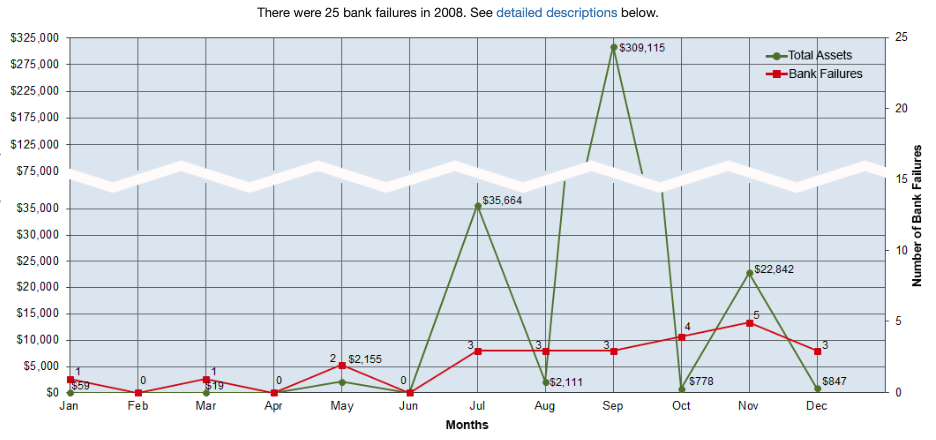
The closure of Signature Bank and Silicon Valley Bank has caused concern about the stability of the banking system. Signature Bank’s failure is the third US bank failure in a week, indicating that the banking system may be under significant stress. Regulators are taking steps to prevent a systemic banking crisis, but the closure of two major banks in a short period is a cause for concern.
The closure of Signature Bank also raises questions about the safety of banking deposits. The bank was FDIC-insured, which means that depositors’ funds were insured up to a certain amount. However, the closure of the bank raises questions about the safety of deposits in other banks. If regulators close another bank, depositors may lose confidence in the banking system, causing a run on other banks.
The closure of Signature Bank highlights the need for stronger regulation in the banking system. The failure of two major banks in a short period indicates that there may be weaknesses in the regulatory system. Regulators need to take steps to prevent future bank failures and ensure the stability of the banking system. This may involve stronger oversight of banks’ activities and more stringent requirements for banks to maintain adequate levels of capital.
The closure of Signature Bank has also had an impact on the wider financial markets. The announcement of the bank’s closure caused a sharp sell-off in the stock market, and many investors are now worried about the potential for a wider financial crisis. The closure of Signature Bank is a reminder of the importance of maintaining financial stability and the potential risks associated with a lack of regulation.
The closure of Signature Bank may also have long-term implications for the crypto industry. The industry has been trying to gain wider acceptance in the financial world, and the closure of Signature Bank may make it more difficult for crypto companies to secure banking services. It may also lead to increased regulatory scrutiny, which could stifle innovation and growth in the industry.
In conclusion, the closure of Signature Bank is a significant event that has raised concerns about the stability of the banking system and the safety of banking deposits. It highlights the need for stronger regulation in the banking industry and may have long-term implications for the wider financial markets and the crypto industry. Regulators must take steps to prevent future bank failures and ensure the stability of the banking system. The closure of Signature Bank serves as a reminder of the importance of maintaining financial stability and the potential risks associated with a lack of regulation.